Mobile App @ Netflix

Description
A redesigned mobile interface for Netflix, focused on consistency and scalability across devices.
Context
Netflix sought to reinvent its mobile interface to create a more consistent experience across devices while reducing engineering complexity. Given the freedom to innovate within Netflix's established design ethos, I helped lead a redesign that reimagined user engagement on mobile platforms through a scalable and component-driven system. I acted as a day-to-day designer and mentor for a team of 3, developing and maintaining the new design language, conducting user research, prototyping interactions, and collaborating closely with developers. We delivered a unified and flexible interface that set a new standard for Netflix's cross-device viewing experience.
Role
Senior Product Designer
Skills
User ResearchMobile DesignUX DesignUI DesignPrototypingTools Used
FigmaSketchAdobe PhotoshopJiraZeplin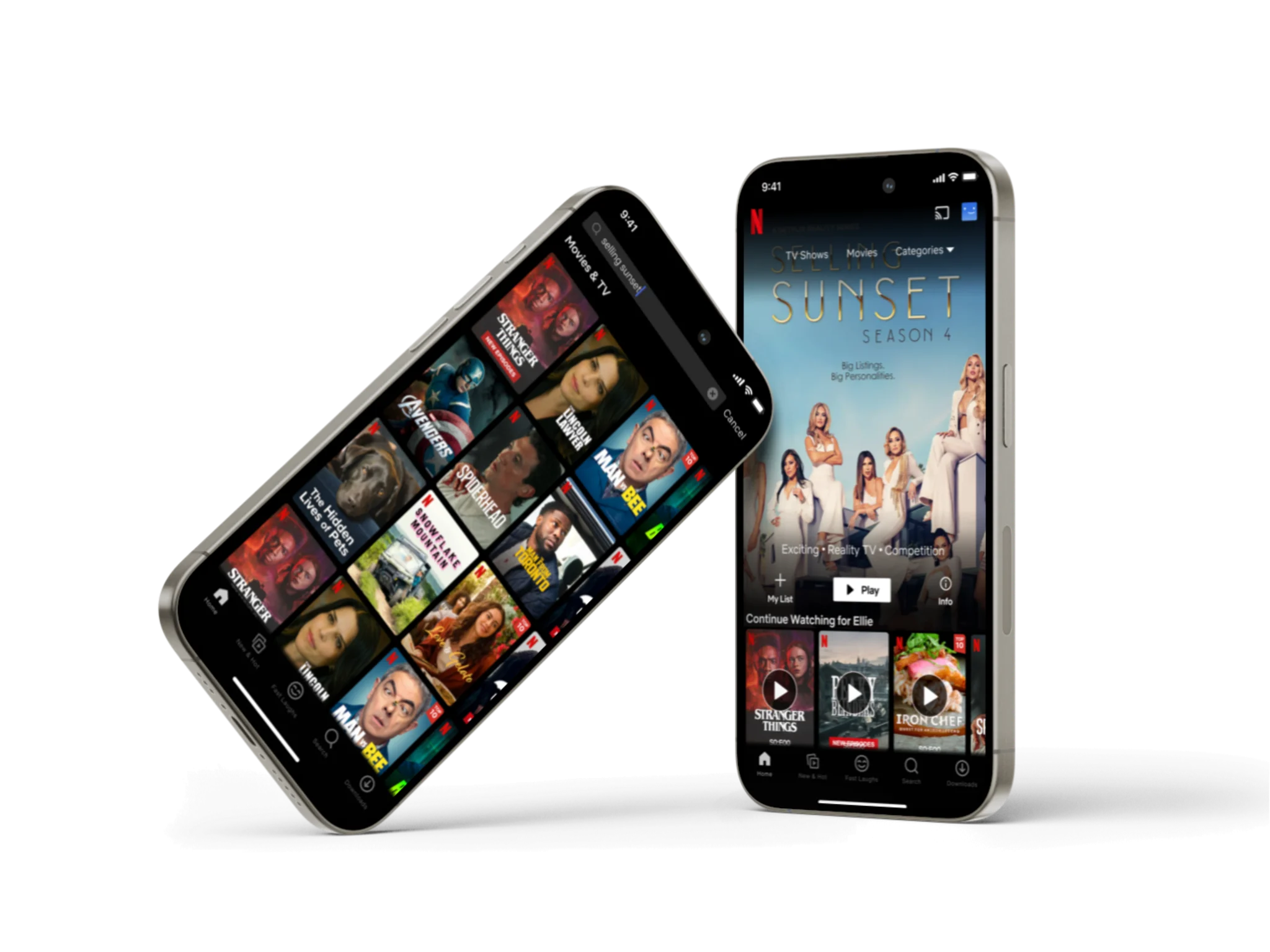
Goal
Going mobile with no compromise.
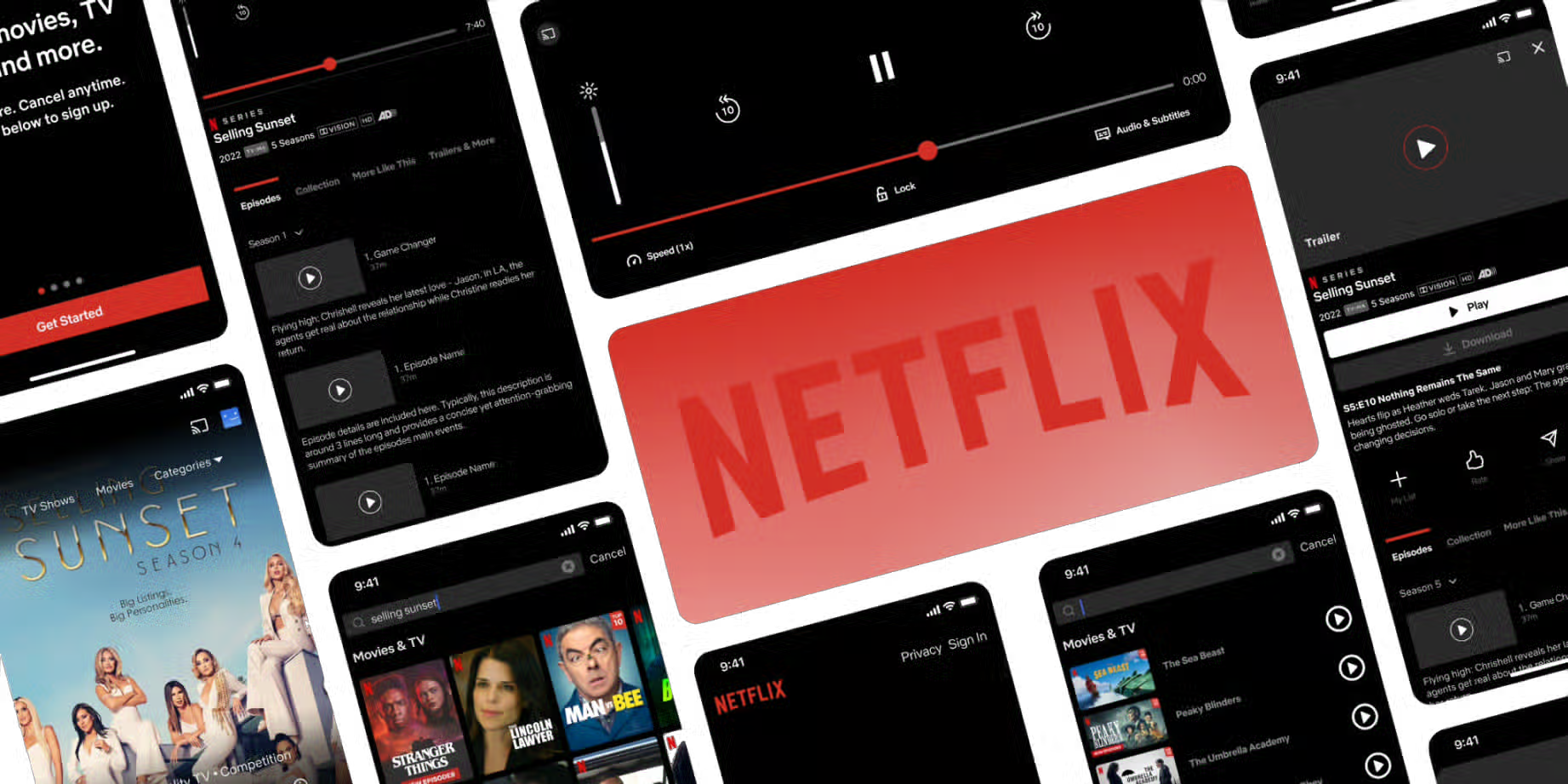
Netflix needed to align the mobile experience with the platform's overarching design ethos in order to ensure consistency across devices. By adopting a component-driven approach, our aim was to streamline user engagement on mobile devices, reducing the burden on engineering while setting a new standard for seamless and intuitive mobile viewing experiences.
We had to redefine how users interact with Netflix on their smartphones and tablets, creating a cohesive and user-centric interface that enhances accessibility and enjoyment of the library.
Concept
Designing for lifestyles.
In the realm of digital entertainment users tend to prioritize seamless experiences and personalized engagement over technical intricacies when navigating streaming platforms. Our research revealed that users connect more deeply with a platform that resonates with their values and viewing preferences. With this redesign initiative, the goal was to forge a human connection between users and the Netflix mobile interface, something that really reflects their entertainment preferences and lifestyle choices.
We accomplished this by using inspiring language and design elements that evoke scenarios and preferences familiar to the user (leisurely binge-watching, on-the-go streaming, family movie nights...). This lifestyle-centric approach aligns with Netflix's commitment to user-centric design, where the priority is the viewer's experience and personal connection with the platform's vast array of content.
Design System
Building a system that scales.
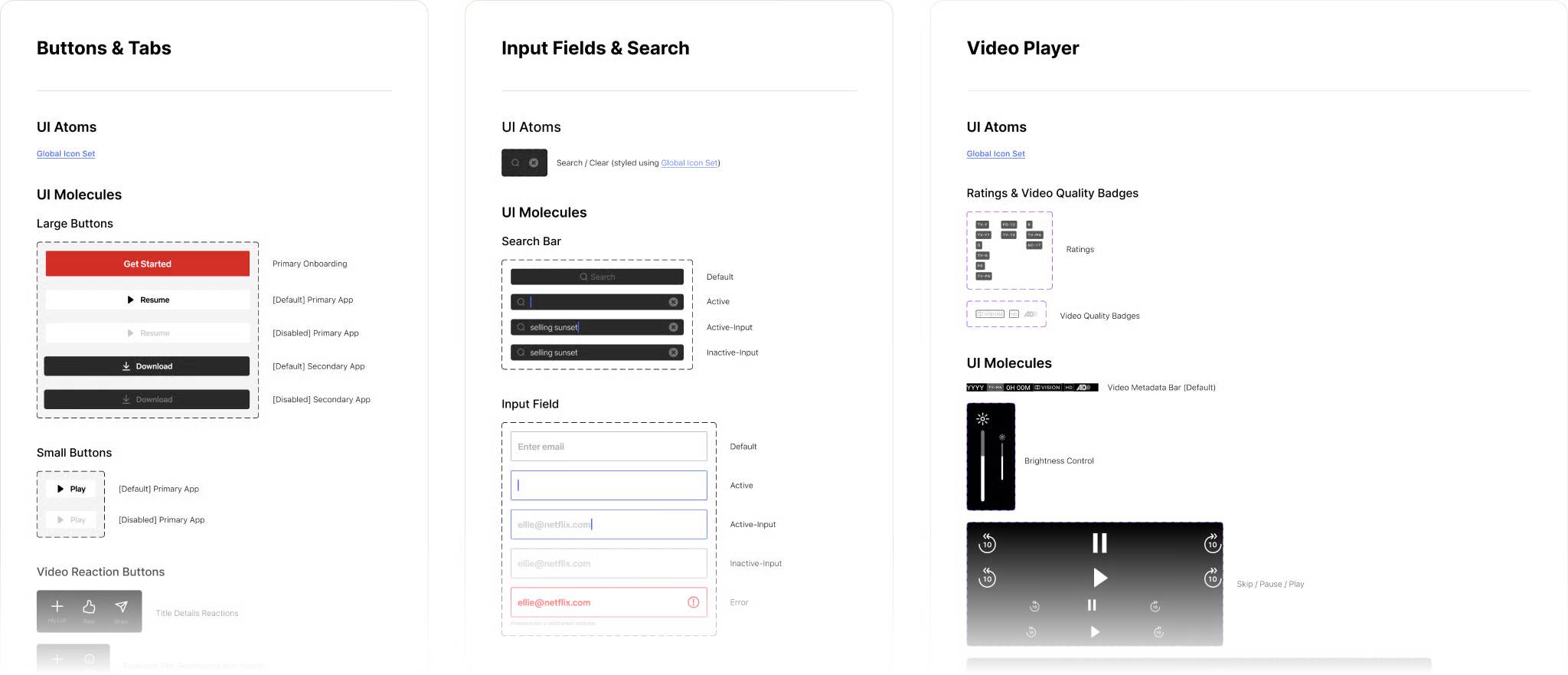
We went with an atomic design approach, breaking down our design system into atoms, molecules and organisms that could be built upon each other. Our aim was to create a system that would be both efficient for designers to use and easy for developers to implement.
We took countless hours to document the system meticulously and build organism-level components that could be easily adapted for a variety of scenarios. This allowed us to create a design system that can evolve and grow with the Netflix's needs, checking the two boxes of interest: flexible and scalable.
User Testing
Starting with the user.
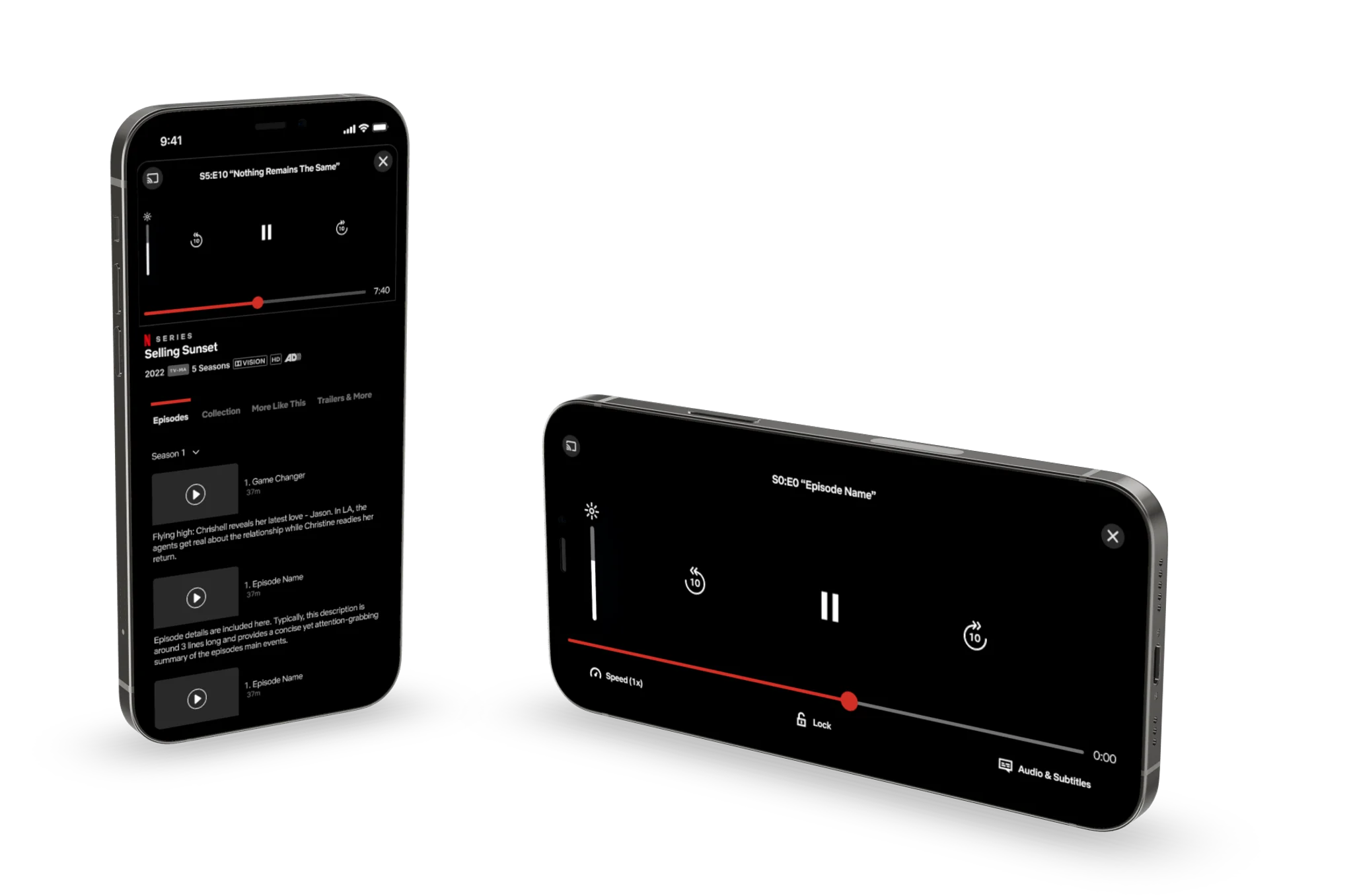
As we concluded the initial design stage, we recognized the importance of ensuring our designs aligned with the user's needs. To achieve this, we created a prototype to test and gather feedback from Netflix's target audience, which helped us to fill in any gaps from our research and gain insight into the user's behavior.
Our research indicated that users highly value personalized data and a simple interface. By guiding our efforts with these insights, we were able to create a more user-friendly experience that resonated better with Netflix's audience.
User Journey
Personalizing the flow.
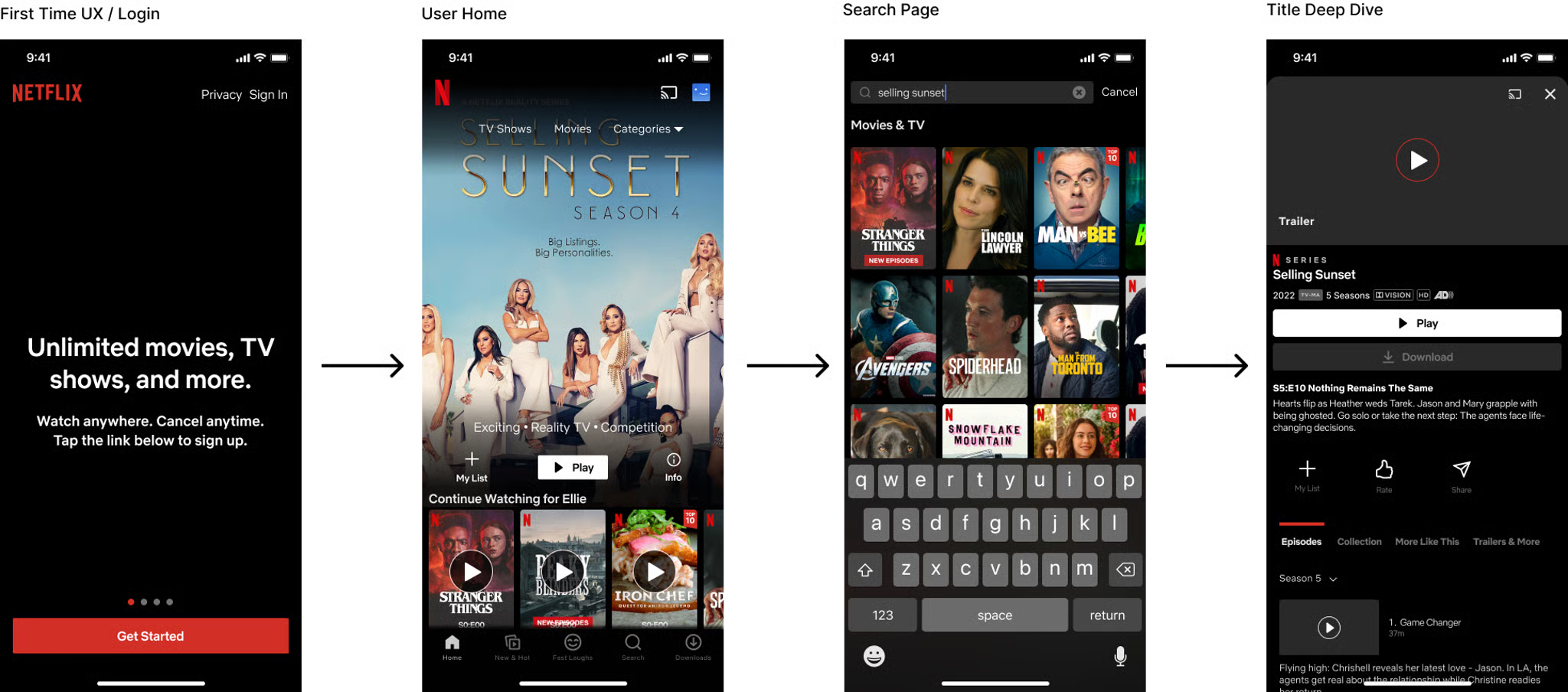
From a strategic standpoint, our objective with the Netflix mobile interface redesign was to increase user engagement, retention, and viewing time, all of which directly correlate with user satisfaction and platform success. We identified that enabling users to effortlessly discover content that resonates with their preferences is paramount to achieving these goals.
To tackle this objective, we optimized the browsing and content discovery experience on the mobile platform. Through data analysis and user behavior insights, we discerned that users often faced challenges in finding the right content tailored to their tastes. In response, we enhanced the display of the personalized recommendations. This approach not only aimed to increase user engagement and viewing time but also fostered a deeper connection between users and the platform by delivering a more personalized and satisfying content discovery journey.